Letter Calligraphy: A Timeless Art for Modern Design
Letter calligraphy is more than just beautiful writing—it’s a powerful design tool that brings personality, elegance, and character to any project. Whether you're crafting a logo, designing a brand identity, or creating a memorable quote, letter calligraphy offers a unique way to stand out in a world of digital fonts. Its intricate strokes and flowing forms make it ideal for projects where visual impact matters.
What Makes Letter Calligraphy Special?
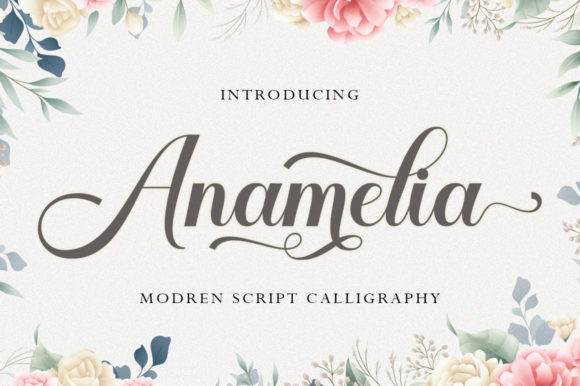
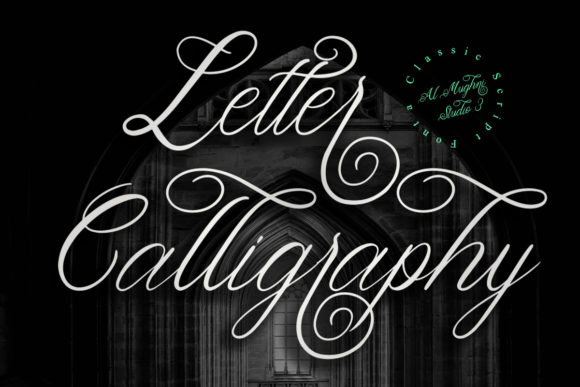
Letter calligraphy is a classic script font style characterized by its elegant, handcrafted appearance. Unlike standard script fonts, letter calligraphy features distinct variations in each letter, making every piece feel personal and artistic. This variation is what sets it apart from other script styles and gives it a sense of authenticity and craftsmanship.
The beauty of letter calligraphy lies in its ability to convey emotion and intention through form. Each stroke can be adjusted to reflect different moods—bold and confident, soft and inviting, or dramatic and expressive. This adaptability makes it a versatile choice for a wide range of creative applications.
Creative Possibilities with Letter Calligraphy
From branding to personal projects, letter calligraphy has endless creative possibilities. Here are a few ways to incorporate it into your work:
- Logo Design: Use letter calligraphy to create a unique and memorable brand identity. It adds a touch of sophistication and individuality to logos, especially for businesses in the arts, fashion, or lifestyle sectors.
- Quote and Tagline Creation: Letter calligraphy works beautifully for quotes, taglines, and motivational messages. It adds a sense of artistry and depth that can capture attention and inspire action.
- Custom Invitations and Stationery: Whether it's wedding invitations, thank-you notes, or greeting cards, letter calligraphy elevates the visual appeal of handwritten or printed materials.
- Book Covers and Packaging: For publishers, designers, and small businesses, letter calligraphy can enhance the aesthetic of book covers, product packaging, and promotional materials.
- Art Installations and Digital Graphics: With the right tools, letter calligraphy can be adapted for digital use, allowing for creative experimentation in graphic design, social media content, and web-based projects.
Each of these applications benefits from the uniqueness of letter calligraphy. Its handcrafted nature adds a human element that feels authentic and engaging, which is especially valuable in today’s fast-paced, digital-first environment.
Adapting Letter Calligraphy for Different Goals
Letter calligraphy can be tailored to suit various goals and audiences. For example, a small business owner might use it to create a logo that reflects their brand’s personality, while an educator could use it to craft visually appealing lesson plans or classroom materials.
When adapting letter calligraphy, consider the following factors:
- Audience: Choose a style that resonates with your target audience. A bold, modern take on letter calligraphy may appeal to younger demographics, while a more traditional approach could attract older or more formal audiences.
- Platform: Whether you're working on print, digital, or physical media, adjust the style and size accordingly. Letter calligraphy often looks best when given space to breathe, so avoid overcrowding designs with too many elements.
- Consistency: Maintain a consistent style throughout your project to ensure a cohesive and professional look. This is especially important for branding and marketing materials.
- Functionality: Ensure that the letter calligraphy serves a purpose. It should enhance the message rather than distract from it. For example, a logo should be readable and recognizable at a glance.
By balancing creativity with functionality, you can maximize the impact of letter calligraphy in any context.
Practical Tips for Using Letter Calligraphy
If you're new to letter calligraphy, here are some practical tips to help you get started:
- Choose the Right Tools: Invest in quality pens, brushes, or digital tools that allow for smooth, controlled strokes. The right tools can make a significant difference in the final result.
- Practice Regularly: Like any skill, letter calligraphy requires practice. Start with basic letters and gradually work your way up to more complex forms.
- Experiment with Styles: Explore different calligraphy styles such as Copperplate, Spencerian, or Gothic to find one that suits your aesthetic and purpose.
- Use Reference Materials: Study examples of letter calligraphy to understand the nuances of each letter and how they connect. This will help you develop a more refined technique.
- Keep It Simple: Don’t overcomplicate your designs. Sometimes, a clean and elegant approach is more effective than an overly intricate one.
Remember, the goal of letter calligraphy is to communicate effectively while maintaining visual appeal. Striking this balance will help you create designs that are both beautiful and functional.
Conclusion
Letter calligraphy is a timeless art form that continues to inspire and captivate. Its unique style and versatility make it an excellent choice for a wide range of creative projects. Whether you're a designer, marketer, or hobbyist, letter calligraphy offers a way to add personality and elegance to your work. By understanding its strengths and adapting it to your needs, you can unlock new levels of creativity and impact.