Exploring the Unique Charm of Fantastic Paris in Typography Design
The Allure of Handwritten Fonts in Modern Design
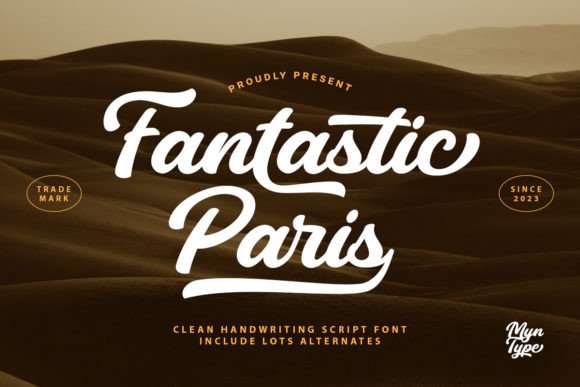
In today's digital landscape, where design trends evolve rapidly, typography plays a crucial role in shaping the visual identity of brands, websites, and creative projects. Among the many font choices available, Fantastic Paris stands out as a unique blend of casual elegance and modern style. This handwriting font captures the essence of personal expression while maintaining a level of sophistication that appeals to both professionals and hobbyists alike.
Handwritten fonts have gained popularity due to their ability to convey authenticity and warmth. Unlike rigid sans-serif or serif typefaces, they bring a human touch to any design. Fantastic Paris is no exception. It features soft curves, gentle strokes, and a natural flow that mimics real handwriting. This makes it an ideal choice for projects that aim to communicate a friendly and approachable vibe.
Key Characteristics of Fantastic Paris
Fantastic Paris is designed with several key characteristics in mind, making it versatile for a wide range of applications:
- Casual Elegance: The font combines the informality of handwritten text with the refinement of elegant typography. It strikes a balance between being relaxed and polished.
- Modern Style: Despite its hand-drawn appearance, Fantastic Paris incorporates elements of contemporary design, ensuring it remains relevant across various platforms and mediums.
- Versatility: Whether used for branding, marketing materials, or digital content, this font adapts well to different contexts without losing its charm.
- Readability: Although it is a handwriting font, Fantastic Paris maintains excellent legibility even at smaller sizes, which is essential for effective communication.
These attributes make Fantastic Paris a go-to option for designers who want to add personality to their work without compromising on clarity or professionalism.
Practical Applications of Fantastic Paris
The versatility of Fantastic Paris allows it to be used in numerous practical applications. Here are some common use cases:
- Branding and Logos: The font can be used to create logos that feel personal yet professional. Its unique style helps establish a distinct brand identity.
- Marketing Materials: From brochures to social media posts, Fantastic Paris adds a touch of creativity to promotional content, making it more engaging for audiences.
- Web Design: Incorporating Fantastic Paris into web design elements like headlines, buttons, or call-to-action sections can enhance user experience by creating a more inviting atmosphere.
- Print Media: In print, the font works well for invitations, greeting cards, and other materials where a personal touch is desired.
- Personal Projects: For creators and hobbyists, using Fantastic Paris in blogs, art pieces, or DIY projects adds an artistic flair that reflects individuality.
By integrating Fantastic Paris into these areas, designers can elevate their work and connect more effectively with their target audience.
Considerations When Using Fantastic Paris
While Fantastic Paris offers many benefits, there are certain considerations to keep in mind when using it:
Legibility in Large Text Blocks: Although readable, Fantastic Paris may not be suitable for long paragraphs of text. It is best reserved for headings, subheadings, and short bursts of text where its stylistic qualities can shine.
Consistency Across Platforms: Since it is a handwriting font, variations in how it renders on different devices or operating systems may occur. Testing it across multiple platforms ensures consistency in appearance.
Color and Contrast: To maintain readability, it is important to choose appropriate colors and backgrounds that complement Fantastic Paris. High contrast settings help ensure the text remains clear and easy to read.
Licensing and Usage Rights: Before using Fantastic Paris, it is essential to review the licensing agreement to understand the permitted uses and any restrictions that may apply.
Keeping these factors in mind will help maximize the effectiveness of Fantastic Paris in any design project.
Comparing Fantastic Paris to Other Handwriting Fonts
There are numerous handwriting fonts available, each with its own unique characteristics. Comparing Fantastic Paris to others highlights what sets it apart:
Script Fonts: While script fonts often feature more elaborate flourishes and cursive styles, Fantastic Paris offers a simpler, cleaner look that is easier to read and more adaptable for general use.
Brush Script Fonts: These fonts mimic the appearance of brush strokes and can sometimes appear too informal for professional settings. Fantastic Paris, on the other hand, maintains a balanced approach that works well in both casual and formal contexts.
Digital Handwriting Fonts: Some digital handwriting fonts are designed to look like typed text with a handwritten effect. Fantastic Paris differs by focusing on true hand-drawn aesthetics, giving it a more authentic feel.
By understanding these differences, designers can make informed decisions about which font best suits their needs.
The Impact of Fantastic Paris on User Experience
User experience (UX) is a critical factor in design, and typography plays a significant role in shaping it. Fantastic Paris contributes positively to UX in several ways:
Emotional Connection: The font's friendly and approachable nature helps create an emotional connection with users, making them feel more comfortable and engaged with the content.
Visual Hierarchy: When used strategically in headings and subheadings, Fantastic Paris enhances visual hierarchy, guiding users through the content more effectively.
Brand Personality: By incorporating Fantastic Paris into a brand's visual identity, companies can communicate their personality and values more clearly, helping to build stronger relationships with their audience.
These aspects demonstrate how Fantastic Paris can be leveraged to improve overall user experience and engagement.
Trends in Handwriting Fonts and Future Outlook
As design trends continue to evolve, the demand for unique and expressive fonts like Fantastic Paris is expected to grow. Current trends indicate a shift towards more personalized and authentic visual experiences, which aligns perfectly with the characteristics of handwriting fonts.
Looking ahead, the integration of AI and machine learning in typography could lead to new possibilities for customizing and adapting fonts like Fantastic Paris to suit specific needs and preferences. This could further enhance their versatility and appeal in the future.
For now, Fantastic Paris remains a popular choice among designers seeking to add a touch of elegance and personality to their work. As trends continue to develop, it will be interesting to see how such fonts evolve and adapt to meet the changing demands of the design industry.