Simple Cookies: A Playful Font for Creative and Professional Design
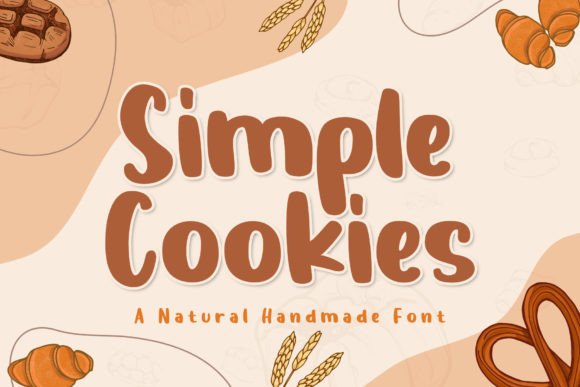
Simple Cookies is a handmade font that brings a sense of whimsy and imagination to any design project. With its unique and playful shapes, it's an excellent choice for those looking to add a touch of charm and personality to their work. Whether you're designing logos, branding materials, posters, flyers, or invitations, Simple Cookies can elevate your designs with its natural and fun aesthetic.
This font is particularly well-suited for projects aimed at children or featuring cartoon elements. Its clean lines and friendly curves make it easy on the eyes while still standing out as something special. Because of its simplicity and versatility, Simple Cookies integrates smoothly into a variety of creative workflows without overwhelming the overall design.
Understanding the Role of Simple Cookies in Design Projects
Before diving into the specifics of using Simple Cookies, it’s important to understand where this font fits within the broader design process. Fonts are more than just text—they shape the tone, mood, and visual identity of a project. Simple Cookies plays a unique role by adding a layer of playfulness and approachability that can be especially effective in certain contexts.
For instance, when creating branding for a children’s toy company or a family-oriented event, Simple Cookies can help establish a warm and inviting atmosphere. It complements illustrations and graphics that feature cartoon characters or playful themes. The font’s character set includes both uppercase and lowercase letters, numbers, and symbols, making it suitable for a wide range of applications.
Designers often use fonts like Simple Cookies during the early stages of a project to test different visual directions. By applying this font to mockups or wireframes, they can quickly assess how it interacts with other design elements such as color schemes, images, and layout structures. This makes it a valuable tool for exploring creative possibilities before finalizing a design.
Using Simple Cookies in Different Stages of a Project
The versatility of Simple Cookies means it can be used effectively at various points throughout a design workflow. Here are some practical ways to incorporate this font:
- Concept Development: Use Simple Cookies to sketch out initial ideas for logos, headlines, or titles. Its playful nature can spark creativity and guide the direction of the project from the start.
- Prototype Creation: Apply the font to digital mockups or print drafts to see how it looks alongside other design assets. This helps identify potential issues with legibility or contrast before moving forward.
- Final Output: Once the design is finalized, Simple Cookies can be used for the final text elements, ensuring consistency across all materials such as business cards, packaging, or website banners.
By integrating Simple Cookies early on, designers can ensure that the font becomes an integral part of the visual language of the project. This approach allows for smoother transitions between different phases of development and reduces the need for last-minute changes or adjustments.
Compatibility and Integration with Other Tools
One of the key advantages of Simple Cookies is its compatibility with a wide range of design software and platforms. It works seamlessly with popular tools like Adobe Illustrator, Photoshop, InDesign, Figma, and Canva. This makes it accessible to both professional designers and hobbyists who may not have access to high-end design software.
When working with vector-based programs like Illustrator or InDesign, Simple Cookies maintains its quality at any size, making it ideal for print and digital media alike. For web-based projects, the font can be embedded directly into HTML files or used through web font services such as Google Fonts or Typekit, ensuring consistent rendering across different devices and browsers.
Additionally, Simple Cookies pairs well with other design resources such as clipart, icons, and illustration styles that emphasize a similar aesthetic. Combining it with bright colors, soft gradients, and hand-drawn textures can enhance the overall effect of the design.
Practical Tips for Working with Simple Cookies
To get the most out of Simple Cookies, consider the following tips based on real-world implementation scenarios:
- Test Legibility: While the font is visually appealing, it's important to ensure that the text remains readable. Avoid using it for long paragraphs or small text sizes where clarity might be compromised.
- Experiment with Pairings: Try combining Simple Cookies with more traditional fonts to create contrast and balance. For example, pairing it with a sans-serif typeface can provide a nice contrast while maintaining a cohesive look.
- Use for Emphasis: Reserve Simple Cookies for headings, titles, or call-to-action buttons rather than body text. This ensures that the font's playful nature doesn't overshadow the content.
- Stay Consistent: If using Simple Cookies across multiple design elements, maintain a consistent style and spacing. This helps reinforce brand identity and ensures a polished appearance.
These practical considerations can help designers make informed decisions about when and how to use Simple Cookies, ensuring that it enhances rather than detracts from the overall design.
Long-Term Use and Quality Control
As with any design asset, it's important to evaluate the long-term usability of Simple Cookies. Since it's a handmade font, it's designed with a focus on aesthetics and character rather than strict technical specifications. This means that while it excels in creative applications, it may not be the best choice for highly technical or data-driven projects.
For ongoing use, it's recommended to store the font file in a centralized location or font library, especially if working on multiple projects simultaneously. This helps streamline the design process and ensures that the font is always available when needed.
Regularly reviewing how Simple Cookies performs in different contexts can also help identify areas for improvement or adaptation. As design trends evolve, so too may the way fonts are used, making it worthwhile to revisit how this font is integrated into future projects.
In conclusion, Simple Cookies offers a unique blend of simplicity and charm that can enhance a wide range of design projects. Whether you're working on branding, marketing materials, or educational resources, this font provides a fresh and fun alternative to more conventional typefaces. By understanding its strengths and limitations, designers can make the most of its playful personality and integrate it seamlessly into their creative workflows.