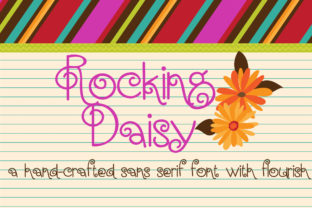
Rocking Daisy: A Whimsical Sans Serif Font for Strategic Creativity
Rocking Daisy is a whimsical sans serif font that infuses a sense of playfulness and personality into any design. With its curl-infused hand-written style, it stands out as a unique option for those looking to add character without sacrificing readability. This font is more than just an aesthetic choice; it's a strategic tool that can influence perception, enhance communication, and support branding efforts when used thoughtfully.
Understanding the Strategic Value of Rocking Daisy
At first glance, Rocking Daisy might seem like a simple decorative font. However, its distinctive curls and handwritten feel make it a powerful visual element that can convey warmth, approachability, and creativity. These qualities are particularly valuable in industries where emotional connection and brand personality matter—such as lifestyle, education, creative services, and small business marketing.
When selecting typography, the goal is not only to ensure clarity but also to align with the intended message and audience. Rocking Daisy can serve as a subtle yet effective way to communicate a brand’s tone and values. For instance, using this font in a call-to-action button or on a tagline can create a friendly and inviting atmosphere, encouraging engagement.
Why Rocking Daisy Works in Strategic Communication
- Enhances Brand Personality: Fonts are a form of nonverbal communication. Rocking Daisy adds a layer of expressiveness that can help differentiate your brand from competitors.
- Improves Readability with Style: While many script fonts can be hard to read, Rocking Daisy maintains legibility while adding visual interest. This makes it suitable for headings, logos, and other key elements.
- Supports Emotional Engagement: The playful nature of Rocking Daisy can evoke positive emotions, making it ideal for content that aims to inspire or entertain.
When and How to Use Rocking Daisy Strategically
The effectiveness of Rocking Daisy depends on context and purpose. It is not a one-size-fits-all solution, but rather a font that should be selected based on specific goals and audience expectations.
Consider using Rocking Daisy in the following scenarios:
- For Branding Elements: Incorporate Rocking Daisy into logos, business cards, or social media profiles to establish a distinct and memorable identity.
- In Marketing Materials: Use it in headlines, promotional banners, or email subject lines to capture attention and encourage interaction.
- For Educational Content: Teachers and educators can use this font in presentations or learning materials to create a more engaging and approachable environment.
- In Creative Projects: Bloggers, designers, and artists can leverage Rocking Daisy to add a personal touch to websites, posters, or digital art.
However, it is important to balance its use. Overusing Rocking Daisy can lead to visual clutter or dilute the professionalism of your message. Always consider the overall design and how the font contributes to the user experience.
Practical Tips for Using Rocking Daisy Effectively
- Use it Sparingly: Apply Rocking Daisy to key elements such as titles or calls to action, rather than large blocks of text.
- Pair with Complementary Fonts: Combine Rocking Daisy with a clean sans serif font for body text to maintain readability and visual harmony.
- Test Across Devices: Ensure that Rocking Daisy renders well on different screen sizes and platforms before finalizing designs.
- Align with Brand Guidelines: If you're working within an established brand system, check if Rocking Daisy fits the existing tone and style.
Potential Risks and Considerations
While Rocking Daisy offers creative advantages, there are risks associated with its use if not approached strategically. One common pitfall is using it inappropriately—for example, in formal documents or professional emails where a more traditional font would be more appropriate.
Another risk is overuse. Applying Rocking Daisy too frequently can distract from the core message and reduce the effectiveness of your communication. It’s crucial to evaluate whether the font supports your goals or detracts from them.
Additionally, not all audiences may respond positively to the whimsical style of Rocking Daisy. Understanding your target demographic and their preferences is essential before incorporating this font into your design strategy.
How to Avoid Common Pitfalls
- Define Your Objectives: Before choosing Rocking Daisy, clarify what you want to achieve—whether it’s building brand recognition, improving engagement, or creating a more relaxed atmosphere.
- Conduct Audience Research: Gather insights about your audience’s preferences and ensure that the font aligns with their expectations.
- Review Design Best Practices: Follow guidelines for typography and layout to ensure that Rocking Daisy enhances rather than hinders the user experience.
- Seek Feedback: Test your designs with real users or stakeholders to get objective input before finalizing your choices.
Long-Term Strategic Benefits of Rocking Daisy
Integrating Rocking Daisy into your design strategy can yield long-term benefits that go beyond aesthetics. By consistently applying this font across your branding and communication channels, you can reinforce brand identity and create a cohesive visual language.
This consistency helps build recognition and trust among your audience. When people see the same font style repeatedly, they begin to associate it with your brand, which can strengthen brand recall and loyalty over time.
Moreover, Rocking Daisy can support creative projects and innovation by providing a flexible and expressive typographic option. Whether you're launching a new product, redesigning a website, or developing marketing campaigns, this font can help bring your vision to life in a unique and memorable way.
Examples of Long-Term Use Cases
- Brand Identity Development: Use Rocking Daisy in logo design, packaging, and advertising to create a consistent and recognizable brand image.
- Content Creation: Incorporate it into blog posts, newsletters, or social media updates to maintain a consistent voice and style.
- Product Packaging: Apply Rocking Daisy to labels, tags, or inserts to add a personal and artistic touch to your products.
- Internal Communications: Use it in company-wide communications or internal documentation to foster a culture of creativity and collaboration.
Conclusion: Making Informed Typography Choices
Rocking Daisy is a versatile and expressive font that can enhance your design work when used with intention. Its curl-infused hand-written style brings a unique energy to any project, making it an excellent choice for brands and creators seeking to stand out in a competitive landscape.
However, the success of Rocking Daisy depends on thoughtful application. By considering your goals, audience, and context, you can use this font to support your strategic objectives and achieve better results. Whether you're building a brand, launching a product, or creating content, Rocking Daisy can be a valuable asset in your creative toolkit.