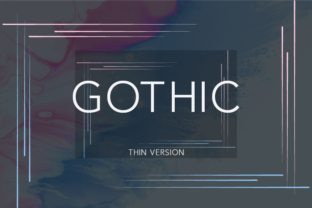
Gothic Thin: A Modern Font for Contemporary Design
In a world where visual identity is more important than ever, choosing the right font can make all the difference in how your message is received. Gothic Thin stands out as a modern and elegant sans serif font that offers both versatility and style. Whether you're designing a website, creating marketing materials, or crafting a brand identity, Gothic Thin provides a clean, professional look that adapts well to various contexts.
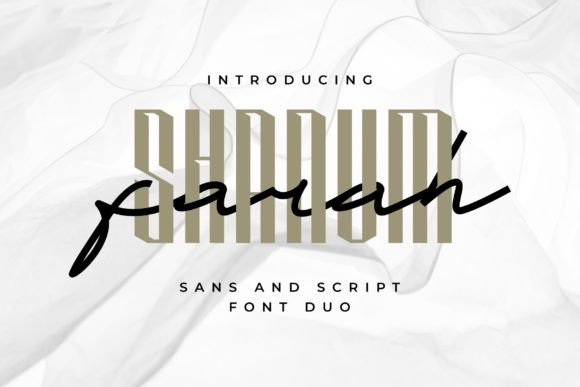
This font is not just about aesthetics; it's about functionality and relevance in today’s design landscape. With its sleek lines and refined structure, Gothic Thin is engineered to be legible across different sizes and mediums, making it an excellent choice for both headings and body text. Its compatibility with script and handwritten fonts further expands its potential, allowing for creative combinations that enhance visual storytelling.
The Evolution of Typography in Modern Design
Typography has evolved significantly over the years, reflecting changes in technology, user behavior, and design philosophy. In the digital age, designers are constantly seeking fonts that balance elegance with usability. Gothic Thin fits this need perfectly, offering a contemporary twist on traditional typography while maintaining readability and clarity.
As screen resolutions improve and content consumption habits shift toward mobile devices, the importance of legible and scalable fonts has grown. Gothic Thin meets these demands by providing crisp, sharp characters that remain clear even at smaller sizes. This makes it ideal for websites, presentations, and print media where readability is crucial.
Why Gothic Thin Is Gaining Popularity
Gothic Thin is gaining traction among designers and creatives because it aligns with current trends in minimalism and modern aesthetics. The font’s clean lines and subtle character details give it a sophisticated feel without overwhelming the viewer. This makes it suitable for a wide range of industries, from tech startups to fashion brands looking to establish a cohesive visual language.
Moreover, Gothic Thin’s ability to pair well with script and handwritten fonts opens up new possibilities for creative projects. Combining Gothic Thin with a more organic typeface can create a harmonious contrast that adds depth and personality to any design. This flexibility allows users to experiment with different styles while maintaining a professional appearance.
Practical Applications of Gothic Thin
The versatility of Gothic Thin makes it a valuable asset in various design scenarios. Here are some practical applications where this font shines:
- Headings and Titles: Gothic Thin’s bold yet elegant structure makes it an excellent choice for headlines, subheadings, and titles. It commands attention without appearing too aggressive.
- Body Text: Despite being a sans serif font, Gothic Thin maintains excellent readability in body text. Its balanced proportions ensure that long paragraphs remain easy to read, even on digital screens.
- Logos and Branding: The font’s modern aesthetic and clean lines make it ideal for logos and branding elements. It conveys professionalism and innovation, which are essential for building a strong brand identity.
- Digital Content: From websites to social media posts, Gothic Thin enhances the visual appeal of digital content. Its scalability ensures that it looks great on all screen sizes, from mobile phones to desktop monitors.
Pairing Gothic Thin with Other Fonts
One of the key advantages of Gothic Thin is its compatibility with other font families. When paired with script or handwritten fonts, it creates a dynamic contrast that adds visual interest to a design. For example, using Gothic Thin for headings and a cursive font for pull quotes or captions can create a layered effect that guides the reader’s eye through the content.
Designers should also consider the tone and purpose of their project when selecting complementary fonts. A more formal project might benefit from pairing Gothic Thin with a serif font, while a casual or artistic project could thrive with a combination of Gothic Thin and a decorative script font.
Trends Shaping the Future of Typography
The design industry is constantly evolving, and typography is no exception. Current trends emphasize simplicity, clarity, and adaptability—qualities that Gothic Thin embodies. As more businesses move toward digital-first strategies, the demand for fonts that work seamlessly across platforms and devices continues to rise.
Additionally, there is a growing emphasis on accessibility in design. Fonts like Gothic Thin, which prioritize legibility and clarity, play a crucial role in ensuring that content is accessible to all users, including those with visual impairments. This focus on inclusivity is shaping the future of typography and reinforcing the importance of thoughtful font selection.
How to Incorporate Gothic Thin Into Your Projects
If you're considering using Gothic Thin in your next project, here are a few tips to help you get started:
- Start with a Clear Purpose: Define the goal of your design and choose Gothic Thin based on how well it aligns with that purpose. Whether you're creating a website, a brochure, or a presentation, the font should support your message.
- Test Different Pairings: Experiment with combining Gothic Thin with other fonts to find the right balance of style and readability. Use online tools or design software to preview how different combinations look together.
- Consider Readability: While Gothic Thin is highly readable, it's important to ensure that it works well with your content. Avoid using it in situations where legibility might be compromised, such as very small text or low-resolution displays.
- Stay Consistent: Maintain consistency in your design by using Gothic Thin throughout your project unless you have a specific reason to switch fonts. Consistency helps reinforce brand identity and improves the overall user experience.
By thoughtfully incorporating Gothic Thin into your designs, you can create visually appealing and functional content that resonates with your audience. Its modern aesthetic, combined with its practicality, makes it a versatile choice for a wide range of creative projects.
The Role of Typography in User Experience
In today’s fast-paced digital environment, user experience (UX) is a top priority for designers and developers. Typography plays a critical role in shaping UX by influencing how users perceive and interact with content. A well-chosen font like Gothic Thin can enhance readability, improve navigation, and create a more engaging experience for users.
Studies have shown that fonts with high legibility and a clean design contribute to better user engagement and lower bounce rates. Gothic Thin’s structured yet elegant appearance makes it an excellent choice for improving the overall UX of websites, apps, and other digital platforms.
Furthermore, as more users access content on mobile devices, the importance of responsive typography has increased. Gothic Thin’s scalability ensures that it looks great on all screen sizes, making it a reliable choice for designers who want to deliver a consistent experience across devices.
Final Thoughts on Gothic Thin
Gothic Thin is more than just a font—it’s a tool that empowers designers to create visually compelling and functionally effective content. Its modern, elegant design, combined with its versatility and readability, makes it a valuable addition to any designer’s toolkit.
Whether you're working on a personal project or a professional campaign, Gothic Thin offers the flexibility and style needed to stand out in a competitive market. By understanding its strengths and experimenting with different design approaches, you can unlock new creative possibilities and elevate your work to the next level.